
A Smart Choice for Health and Recovery in High Altitude Areas
Heading up into the mountains can be exciting, but it also brings surprises for your body – feeling tired, dizzy, or just plain drained. You might think drinking water is enough, but at high elevations, your body actually needs more help to stay hydrated and energized. That’s where IV therapy comes in: a quick way to deliver fluids and vitamins directly to your bloodstream, helping you bounce back faster from altitude challenges and enjoy your adventure without the usual setbacks.
IV therapy is a smart choice in high-elevation areas because it rapidly replenishes fluids, electrolytes, and essential nutrients that the body loses due to the thinner, drier air and increased physical stress at altitude. This direct intravenous delivery helps alleviate common altitude-related symptoms like dehydration, fatigue, headache, and nausea more quickly than oral hydration methods, supporting faster acclimation and improved overall well-being.
Exploring IV Therapy: A Brief Overview
IV therapy is essentially a direct delivery system for fluids, vitamins, and electrolytes into your bloodstream. Unlike drinking water or taking oral supplements, which must be digested and absorbed (a process that can reduce the effective amount reaching your body), IV therapy ensures 100% bioavailability. This means every drop administered goes straight where it’s needed without delay – an advantage especially critical when you’re dealing with dehydration or nutrient deficiency caused by high-altitude conditions.
The procedure is straightforward but precise. A trained medical professional inserts a tiny catheter into a vein, usually in the arm, through which customized solutions flow over 30 to 60 minutes. These solutions aren’t random; they’re tailored blends designed for specific needs such as replenishing lost fluids, restoring electrolyte balance, boosting energy through essential vitamins, or delivering medication if necessary. At elevations above 8,000 feet, where oxygen pressure drops roughly 25%, your body struggles more than usual to maintain hydration and energy levels, making these targeted infusions invaluable.
Clinical data shows that IV hydration can reduce acute mountain sickness symptoms by up to 40% faster compared to oral hydration alone. Typical infusion volumes range between 500 ml to 1.5 liters using normal saline solution supplemented with vitamin C (up to 1,000 mg), B-complex vitamins for mental clarity and energy metabolism, and magnesium for muscle relaxation and headache relief.
Challenges of High-Elevation Living
Living at high altitudes means your body faces a relentless test from the environment, starting with oxygen deprivation. As you ascend, the air thins: despite seeming fresh and crisp, it actually contains significantly less oxygen than what you breathe at sea level. This reduced oxygen availability forces your lungs and heart to work harder just to keep tissues properly supplied. This isn’t just about feeling tired or out of breath – it’s about hypoxia, a state where your body is starved for oxygen at the cellular level.
The cold and dry air typical of mountainous regions accelerates fluid loss through respiration more than most people anticipate. Every breath taken at altitude carries moisture away from your lungs, which you must replenish simply to keep functioning normally. Simultaneously, your kidneys respond by increasing urine output – a process called altitude diuresis – further compounding dehydration risk. This creates a vicious cycle: dehydration thickens your blood volume and reduces oxygen delivery efficiency just when your body most needs it.
Temperature swings at elevation place yet another burden on your body’s resilience. In high mountain ranges such as the Rockies, temperatures vary dramatically – not only between day and night but sometimes within hours. Your body constantly shifts energy expenditure to regulate core temperature against these extremes, sapping precious reserves that would otherwise support acclimation.
| Challenge | Effect on Body | Why It Matters |
| Oxygen Deprivation | Hypoxia causing fatigue & dizziness | Limits performance & alertness |
| Increased Fluid Loss | Dehydration from respiration & urine output | Affects hydration & nutrient transport |
| Temperature Extremes | Energy diverted for temperature regulation | Adds to exhaustion & stress |
Studies show that nearly 25% of residents above 2,500 meters suffer chronic altitude sickness symptoms – not fleeting discomfort but persistent issues that degrade quality of life by impairing sleep, mood, cognition, and physical capacity.
Altitude Sickness Symptoms
Altitude sickness, medically known as acute mountain sickness (AMS), arises when your body struggles to cope with reduced oxygen levels found at elevations typically above 8,200 feet (2,500 meters). Among the symptoms, headache stands out as one of the earliest and most common signs, present in up to 90% of AMS cases and caused by slight brain swelling in response to oxygen deprivation.
Other common symptoms include nausea and vomiting (affecting nearly half of those ascending rapidly), fatigue or weakness (experienced by 50-70%), dizziness or lightheadedness (40-60%), difficulty sleeping, and loss of appetite. When symptoms remain mild, many find they improve with rest, hydration, and gradual acclimatization over 24 to 48 hours.
Severe Symptoms
In rare but critical situations, altitude sickness can develop into High Altitude Pulmonary Edema (HAPE) or High Altitude Cerebral Edema (HACE) – both life-threatening conditions requiring immediate intervention. HAPE involves fluid buildup in the lungs, while HACE results from severe brain swelling leading to confusion and loss of coordination. Understanding these severe symptoms is vital because they demand urgent descent and emergency treatment.
Benefits of IV Treatments
IV treatments deliver fluids and nutrients straight into your bloodstream, bypassing the usual delays and inefficiencies of digestion. When you ascend above 8,000 feet, oxygen absorption drops by about 10-15%, and your body loses more water through respiration. IV therapy replenishes lost fluids quickly, restoring blood volume by up to 20%, which subsequently improves oxygen transport and eases the distress caused by thin mountain air.
Beyond hydration, these IV infusions provide essential nutrients tailored to counteract altitude’s physiological stresses. Electrolytes like sodium, potassium, and magnesium fix imbalances caused by increased fluid loss. Meanwhile, B-complex vitamins enhance energy production and mental clarity, while Vitamin C acts as an antioxidant reducing oxidative stress brought on by hypoxia. When nausea hits hard, some IV therapies incorporate anti-nausea medications directly into the infusion.
| Benefit | Description | Impact at High Elevation |
| Immediate Hydration | Fluids delivered directly into bloodstream | Rapid rehydration improves oxygen delivery |
| Nutrient Delivery | Vitamins B complex & C; electrolytes | Enhances energy metabolism & immune defense |
| Symptom Alleviation | Inclusion of anti-nausea agents | Enables oral hydration; reduces nausea and vomiting |
What to Know Before Starting IV Therapy
Before jumping into IV therapy, taking a moment to discuss your health with a professional is crucial. A consultation isn’t just a formality; it helps tailor the treatment specifically for your body’s needs. Health history, current symptoms, and any medications you’re on all play pivotal roles in deciding whether IV therapy is a good fit. This personalized approach maximizes benefits and minimizes risks.
Although complications are rare when administered by experienced professionals, potential risks include infections at the injection site, allergic reactions, or electrolyte imbalances. The small risk underscores why treatments should only be performed by qualified personnel using sterile equipment.
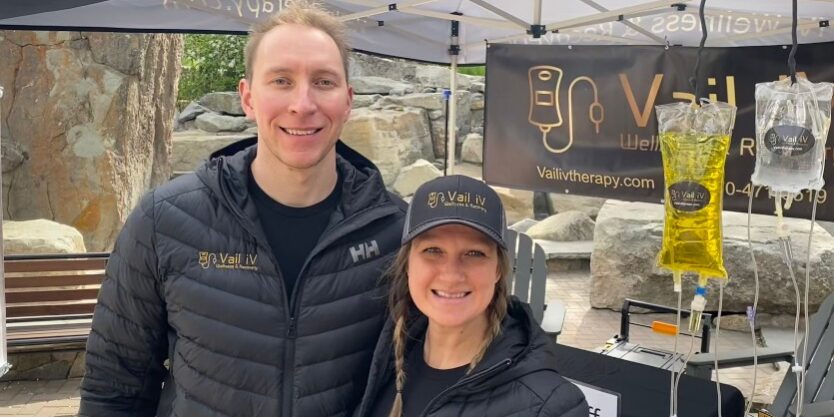
When selecting a provider like Vail iV Therapy, inquire precisely which components go into your drip and how they relate to your symptoms. Transparency lets you make informed choices aligned with your wellness goals.
Non-IV Alternatives for Relief
Portable oxygen concentrators have become increasingly accessible for hikers and travelers venturing into high elevation areas. These devices boost the amount of oxygen you inhale directly, alleviating symptoms like shortness of breath and fatigue rapidly. According to research published by the Wilderness Medical Society, using portable oxygen therapy decreases severe high-altitude illness incidence by up to 70%.
See our continuous flow oxygen concentrator rentals!
Feel Better Faster at High Elevation With Professional IV Therapy
If altitude fatigue, dehydration, or headaches are slowing you down, IV therapy can help you recover quickly and comfortably. Designed to support hydration, energy, and faster acclimation, professional IV treatments deliver fluids, electrolytes, and vitamins directly into your system for rapid relief. Vail iV Wellness and Recovery offers customized IV therapy solutions tailored for high-elevation living, travel, and recovery. Schedule your IV therapy session today to restore balance and feel your best, or call 970-471-0519 to speak with a knowledgeable provider and start your high-altitude recovery with confidence.


